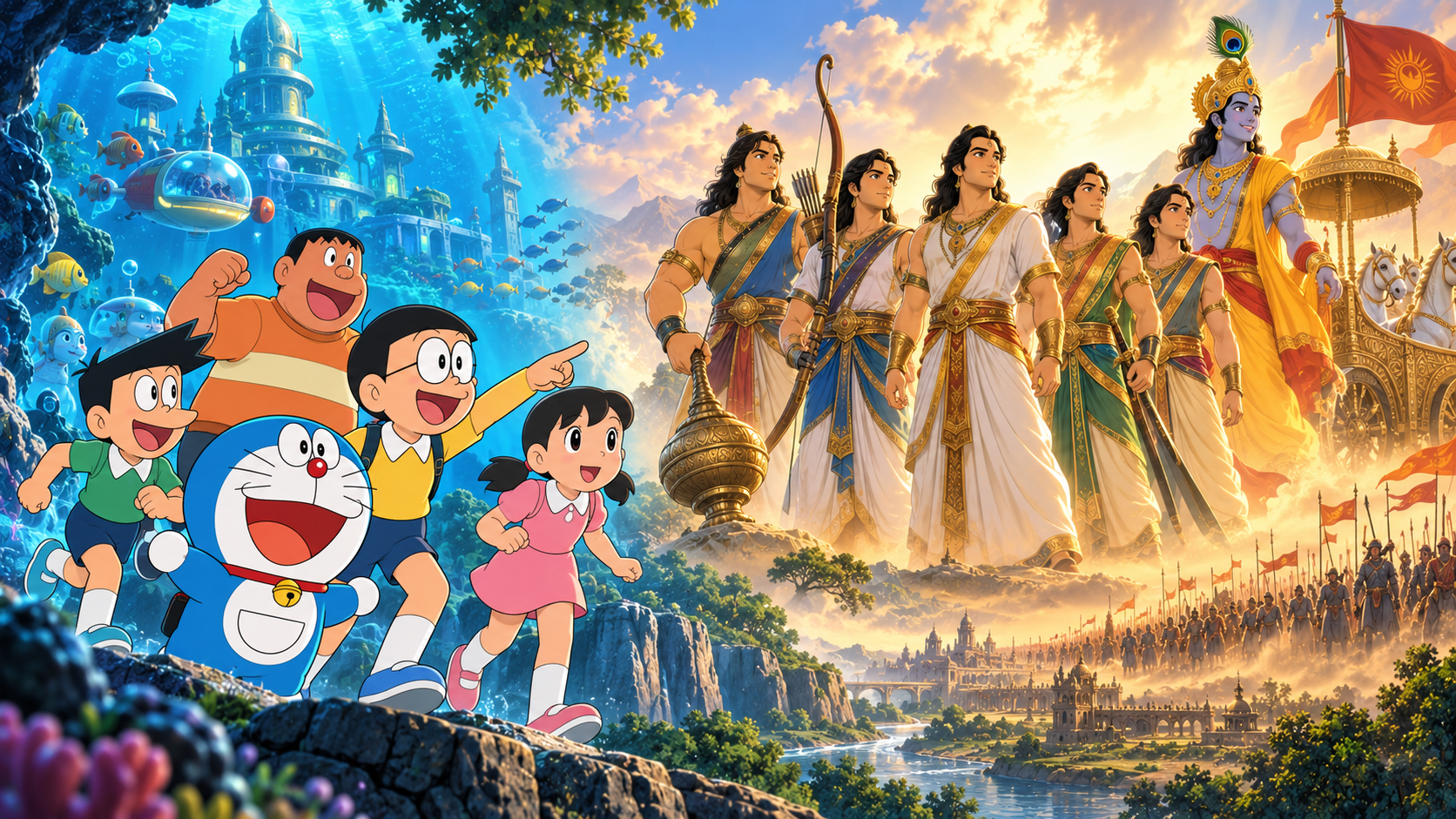
The Mahabharata is more than an epic—it’s a living guide to values, resilience, and wise choices. Teaching children this classic helps them understand dharma (duty), practice empathy, and connect with their cultural roots through unforgettable stories and heroes.
1. Moral and Ethical Lessons for Children
Through the journeys of Yudhishthira, Bhima, Arjuna, and others, kids meet living examples of honesty, courage, compassion, and perseverance. These narratives shape character and guide ethical choices in everyday life.
2. Understanding Dharma and Decision-Making
The Mahabharata makes dharma—duty and righteousness—practical. By exploring the dilemmas the Pandavas face, children learn to weigh options, consider consequences, and choose the right path.
3. Building Critical Thinking Skills
Complex situations and moral gray areas invite children to analyze, compare viewpoints, and ask “why.” This nurtures critical thinking, problem-solving, and better decision-making beyond the classroom.
4. Cultural and Historical Awareness
Stories from the epic open a window to ancient India—its kingdoms, traditions, and values—strengthening cultural identity and appreciation for heritage.
5. Inspiration and Motivation
From Arjuna’s focus to Bhima’s strength, the heroes inspire grit. Krishna’s wisdom models patience and emotional intelligence, motivating children to keep growing through challenges.
6. Spiritual and Emotional Growth
Age-appropriate storytelling introduces karma (actions) and dharma (duty), encouraging mindfulness, empathy, and healthy emotional expression.
Conclusion: A Timeless Epic for Modern Children
Learning the Mahabharata offers far more than entertainment. It cultivates moral values, cultural awareness, cognitive skills, and emotional maturity—lessons that remain useful for life.
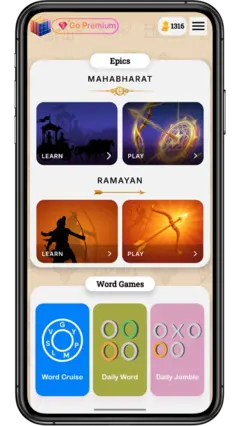
Ready to inspire your child? Start exploring Mahabharata stories today to build courage, values, and critical thinking skills.