In short: Childhood experiences, especially repeated feelings of rejection, comparison, or powerlessness, can shape a child's personality well into adulthood. The Mahabharata shows this through characters like Karna, Duryodhana, and Ashwatthama. Parents can support healthy emotional development by repairing after conflict, avoiding comparisons, naming feelings, and spending even 10 minutes of quality family time with their children every day.
Your child spills juice on the new sofa. You're tired, the day has been long, and before you can stop yourself, the words come out:
"Why can't you be careful like your cousin?"
Your child goes quiet, the moment passes, and you forget it by dinner.
But your child might not.
Can Small Childhood Experiences Really Affect Personality?
Yes.
Most parents save their worry for the big things, like schools, safety, and screen time. Yet child development experts have long observed that what shapes a child's personality is often not a single dramatic event.
It's the repeated feeling behind everyday moments:
I'm not good enough.
I'm not wanted.
My feelings don't matter.
Over time, these childhood experiences quietly turn into the beliefs children carry into adulthood, shaping how they handle relationships, stress, success, and failure.
Thousands of years ago, the Mahabharata was already telling this story.
It's a story of children who grew up carrying something no one noticed.
What Does Ashwatthama's Story Teach Parents About Hidden Stress?
In the Adi Parva, a little boy named Ashwatthama sees rich children drinking milk and cries for some. His family is too poor to afford it, so his mother mixes flour in water.
He drinks it happily, thinking it's milk, until the other children laugh at him.
His father Drona watches this and feels crushed. That shame shapes the rest of his life: a humiliating visit to a childhood friend, a lifelong grudge, and eventually a war.
Ashwatthama grows up inside that grudge. Years later, he becomes the man who attacks a sleeping camp in revenge.
No one set out to raise an angry man.
A father's unspoken shame simply passed quietly to his son.
The Parenting Lesson
Children absorb our stress, even when we never speak about it.
Ask yourself: What disappointment am I carrying that my child might be absorbing?
How Does Comparing Children Affect Them? Karna's Story
Karna was abandoned at birth and raised with love by a charioteer's family.
But everywhere he went, people asked about his birth rather than his abilities.
When a powerful prince finally accepted him as he was, Karna gave him loyalty for life, even when that loyalty led him to the wrong side.
Children who feel they must earn their place often grow into adults who hold on to anyone who makes them feel accepted, even people who aren't good for them.
Today, it rarely sounds like:
"Where do you come from?"
It sounds like:
"Only if you get 95% will we be proud."
Or:
"Look at Sharma aunty's son."
Constantly comparing children teaches them that love depends on performance.
Ask yourself: Does my child feel loved for who they are, or only for what they achieve?
What Happens When a Child Feels Powerless? Duryodhana's Story
As boys, the Kaurava princes were constantly overpowered by the stronger Bhima.
Duryodhana grew up feeling small, threatened, and humiliated, and he also watched his father resent being passed over for the throne.
He learned two things:
The world is unfair.
You have to grab what you want before someone takes it.
Children who repeatedly feel powerless can grow up needing control at any cost.
Sometimes it shows up as aggression, sometimes as jealousy, and sometimes as a constant need to win.
Ask yourself: When my child feels hurt by a sibling, a classmate, or even me, do I listen, or do I tell them to "just adjust"?
Does a Difficult Childhood Decide a Child's Future?
No, and this is the most hopeful parenting lesson from the Mahabharata.
The Pandavas lost their father young, grew up in danger, and were plotted against constantly.
Krishna spent his childhood hiding from an uncle who wanted to kill him.
They carried pain too, but they also had people around them, like Kunti, Vidura, and Yashoda, who guided them, protected them, and helped them make sense of what happened.
That's the real difference.
A hard childhood isn't what turns a hurt into a lifelong wound.
What does that is having no one to notice it.
Children don't need perfect parents.
They need parents who notice.
5 Gentle Parenting Habits to Support Your Child's Emotional Development
1. Repair After Harsh Moments
You will lose your temper sometimes; every parent does.
What matters is coming back and saying:
"I'm sorry I shouted. It wasn't your fault."
Repair teaches children that relationships can survive conflict.
2. Separate the Behaviour from the Child
"That was careless" lands very differently from "You're so careless."
The first corrects an action.
The second becomes part of a child's identity.
3. Stop Comparing Children
Karna spent his whole life being measured against where he came from.
Our children shouldn't be measured against cousins, neighbours, or classmates.
4. Name Feelings Out Loud
Saying:
"You look upset because your friend didn't share."
builds emotional intelligence in children.
It teaches them their feelings are real and manageable.
5. Look After Your Own Stress
Like Drona, parents can pass on unresolved hurt without meaning to.
Caring for your own emotional wellbeing is also a gift to your child.
How Can 10 Minutes of Family Story Time a Day Help?
Our grandparents knew something we've slowly forgotten.
Every evening, children gathered around them to hear stories of Karna's insecurity, Arjuna's focus, and Krishna's wisdom.
Those stories weren't just entertainment.
They were how children learned values like courage, kindness, and right and wrong, sitting close to someone who loved them.
Today, our children already spend hours on screens, often alone, scrolling through things we don't see and can't talk about with them.
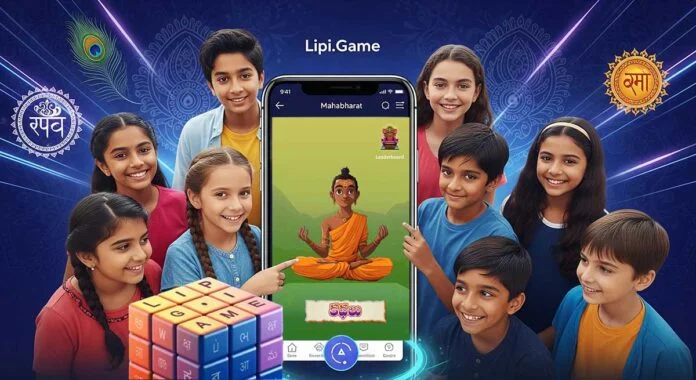
Lipi Epics turns screen time into family time.
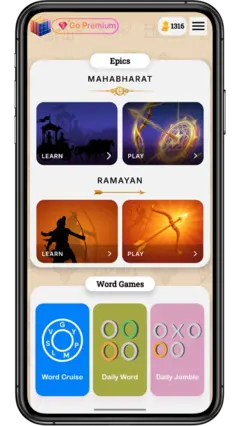
It offers beautifully narrated Mahabharata and Ramayana stories for kids, along with fun quizzes and games you enjoy together, on the same phone, side by side.
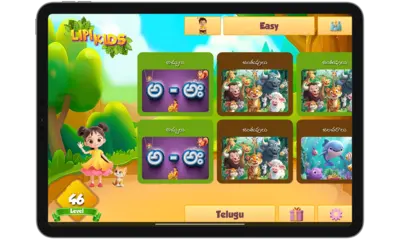
It's available in English, Hindi, and Telugu.
All it takes is 10 minutes a day.
Sit with your child, play a story together, and talk about it afterwards.
Ask them what they would have done in Karna's place.
Laugh over a quiz.
Let them ask you questions.
Those 10 minutes aren't just more screen time.
They're shared time, the moments your child will remember as:
My mother and father made time for me, every day.
Download Lipi Epics today and start your family's daily story time tonight.
Frequently Asked Questions
How Do Childhood Experiences Affect Personality?
Repeated childhood experiences, such as feeling compared, rejected, or unheard, shape the core beliefs children form about themselves.
These beliefs can influence confidence, relationships, and how they handle stress as adults.
Why Is Comparing Children Harmful?
Comparing children can teach them that love and approval depend on performance.
Over time, this can lead to low self-worth, anxiety, or an intense need for validation from others.
What Are Simple Parenting Lessons from the Mahabharata?
The Mahabharata shows that children absorb their parents' stress, that rejection can shape lifelong loyalty and pride, and that caring adults who notice a child's pain can change how that child grows up.
How Much Family Time Do Children Need Each Day?
There's no fixed number, but consistent, focused time matters more than long hours.
Even 10 minutes of daily one-on-one attention, like listening to stories together, can strengthen your bond with your child.
Are Mahabharata and Ramayana Stories Good for Kids?
Yes.
These epics are full of lessons on courage, honesty, friendship, and consequences, and discussing them together helps children think about values and emotions in an age-appropriate way.
Disclaimer: This article is for general awareness and reflection. If you are concerned about your child's emotional wellbeing, please consult a qualified child psychologist or counsellor.
Download Now Lipi Epics For Free: Lipi Epics