Learn Ramayan with Lipi Epics App
Lipi Epics App is an AI-powered educational platform designed to help children, students, and lifelong learners understand the Ramayan through structured stories, audio, video, visual guides, games, and assessments. Built with authentic sources and modern learning design, Lipi makes the Ramayan accessible, engaging, and meaningful.
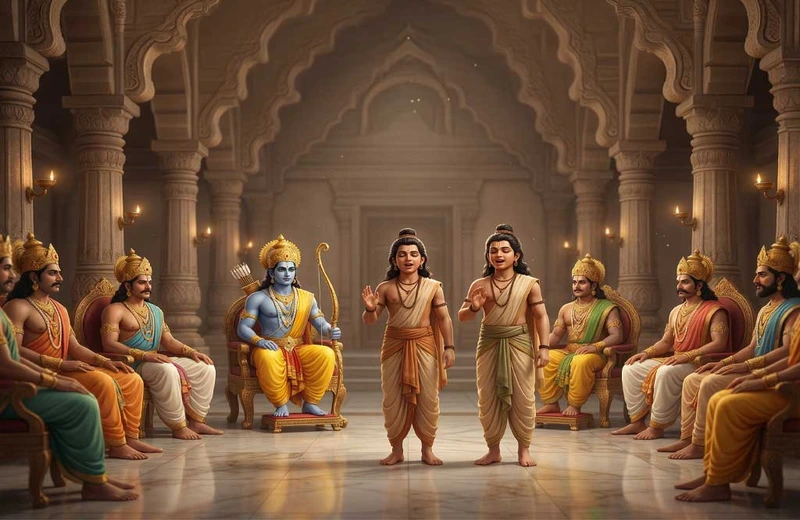
Why Learn the Ramayan?
The Ramayana offers accessible yet profound lessons: duty (dharma) above personal preference, the strength of unity and teamwork, devotion and loyalty, respect within families and communities, and cautionary insights about ego and unchecked desire. Its enduring moral arc reinforces the idea that truth and virtue ultimately prevail.
How Lipi Epics App Helps You Learn the Ramayan
Lipi Epics App breaks the Ramayan into structured Kandas supported by audio narration, video explainers, visual guides, and comprehension checks. Learners progress from beginner summaries to deeper philosophical understanding.
Step-by-Step Ramayan Learning Path in Lipi
Learners begin with an overview of the epic, followed by Kanda-wise storytelling. Each Kanda includes simplified explanations, key takeaways, and optional deep dives, reinforced through interactive quizzes.
The 7 Kandas of the Valmiki Ramayan
Who Should Use Lipi Epics App?
Lipi Epics App is suitable for children, students, parents, teachers, professionals, and adults seeking cultural and ethical learning.
Start Your Ramayan Learning Journey
With Lipi Epics App, the Ramayan becomes a living guide rather than a distant text. Lipi helps learners of all ages connect deeply with this epic.
Timeless Relevance in Modern Life
For thousands of years, Mahabharata and the Ramayana have served as guides for ethical living, leadership, relationships, emotional intelligence, and personal growth. Yet today, many people — especially younger generations — find them difficult to approach due to language barriers, time constraints, and the immense scale of the original texts.
The Mahabharata and the Ramayana are not merely ancient stories; they are living repositories of human wisdom. They explore universal dilemmas such as duty versus desire, integrity versus ambition, compassion versus justice, and truth versus convenience — challenges that remain deeply relevant in modern life.
This article gives a synopsis of these epics as learning journeys for children, students, professionals, families, and lifelong learners.
Learning & Understanding Ramayan
The Valmiki Ramayana presents a profound model of dharma-centered living, leadership, and relationships, showing how truth, duty, self-restraint, and compassion sustain society even in the face of loss and adversity. It teaches that adherence to dharma may demand personal sacrifice, but it ultimately leads to harmony, inner strength, and lasting honor.
The Ramayana repeatedly highlights obedience to duty, respect for elders, loyalty in relationships, and moral clarity during crises. These teachings resonate across all age groups: children learn values such as truthfulness and obedience, young people find guidance on character and resilience, adults apply its lessons to leadership, family, and responsibility, and seniors reflect on detachment, righteousness, and the legacy of a life well lived.
The story of the Ramayana is told in seven Kandas by Maharshi Valmiki. All seven Kandas need to be studied and understood to fully grasp the spirit and essence of the epic. A suggested learning path, along with a brief overview of each Kanda and deep links to explore the key stories within them, is presented below.
Learning Path in Lipi Epics
- For detailed audio, video, textual stories giving intricate details of each Kanda along with a Visual Guide, click on the link below to access them in Lipi Epics App.
Download Lipi Epics App - Click on ‘Ramayan Learn’.
- Review the Overview videos for a video synopsis.
- There will be multiple stories listed in each of the 7 Kandas. Start with the first Kanda. You can listen to these stories without interruption continuously. You may want to pause after each story and take the comprehension test for a better understanding.
- Each story will introduce new characters or relationships. Access the ‘Visual Guide’ in the App to understand the finer detail of that character and events surrounding them.
- Once you read/listen to all the above stories and complete the comprehension tests for all, you will receive a Kanda Completion Certificate. Then you can move on to the next Kanda.
- Ramayan is a complex epic with several characters and events. You may sometimes find it confusing. For better retention and clarity, intersperse your learning mode with some games by using the ‘Play’ option in the App Home page. You can play the simple Match game to test your skills.
- Share your journey of learning and understanding Ramayan with friends and family. You can gift the Lipi Coins you earned while learning Ramayan with your groups and encourage them to learn.
Detailed Learning Path
Jump to Kanda
Bala Kanda
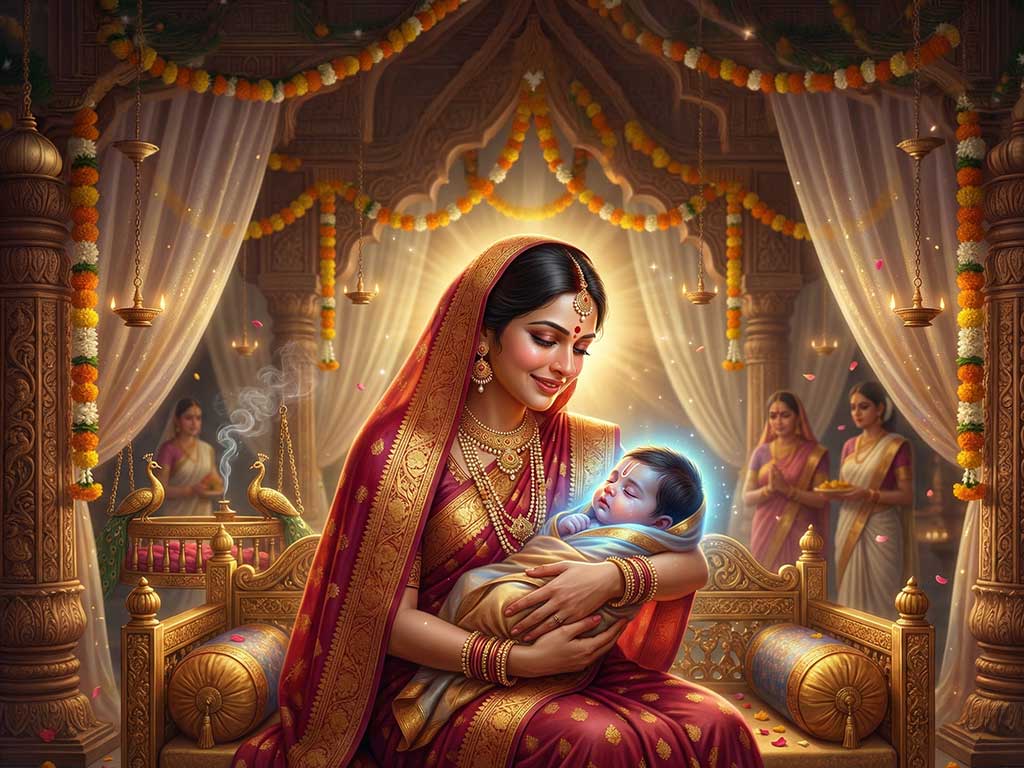
The Bala Kanda in Lipi Epics opens the Valmiki Ramayana by narrating the divine origins of Sri Rama and the sacred purpose behind his incarnation. It describes King Dasharatha’s yearning for an heir and the performance of the Putrakameshti Yajna, which leads to the birth of Rama and his brothers. The childhood of the four princes unfolds with a strong emphasis on discipline, humility, and virtue. Rama’s education under Sage Vishwamitra reveals his obedience and readiness to uphold dharma, even at a young age. His slaying of Tataka and protection of sages establish him as a defender of righteousness. The redemption of Ahalya conveys compassion and spiritual renewal. The breaking of Shiva’s bow at Mithila displays Rama’s strength balanced with humility, leading to his marriage with Sita. This Kanda establishes Rama as Maryada Purushottama, the ideal human being, and lays the moral and spiritual foundation for the entire epic.
Key Chapters & Stories

Ayodhya Kanda
The Ayodhya Kanda in Lipi Epics centers on duty, sacrifice, and the emotional weight of righteous decisions. As Rama is chosen to be crowned prince, Ayodhya is filled with joy and celebration. This happiness is shattered when Kaikeyi, influenced by fear and manipulation, demands the fulfillment of her boons, sending Rama into exile. Rama accepts this command without anger or sorrow, embodying absolute obedience to dharma. Dasharatha’s inability to bear the separation leads to his death, revealing the human cost of moral conflict. Sita insists on accompanying Rama, affirming marital devotion, while Lakshmana follows in unwavering loyalty. Bharata’s refusal to rule in Rama’s absence demonstrates integrity and humility, as he places Rama’s sandals on the throne instead. This Kanda deeply explores the tension between personal desire and moral duty, portraying sacrifice as the highest virtue.
Key Chapters & Stories
Aranya Kanda
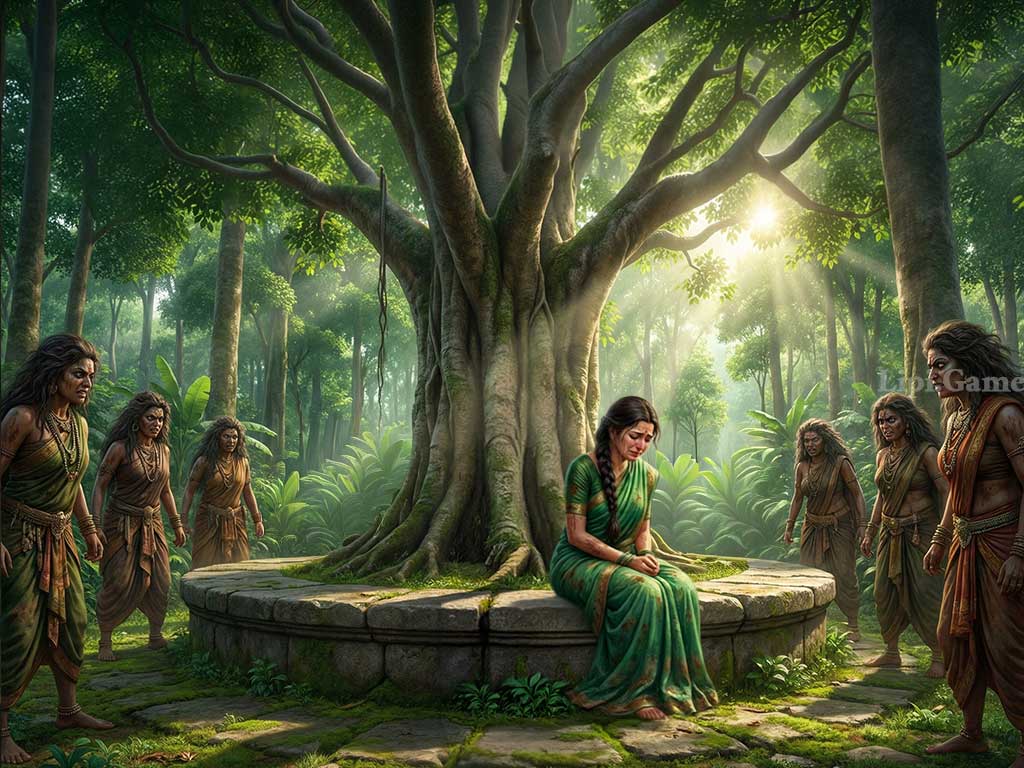
The Aranya Kanda in Lipi Epics narrates Rama’s life in the forest during exile, where he encounters sages, ascetics, and forest communities while continuing his role as protector of dharma. The peaceful rhythm of forest life is disrupted by Surpanakha, whose rejection leads to vengeance and sets larger events into motion. The deception of the golden deer, enacted by Maricha, illustrates the dangers of illusion and desire. Rama’s momentary separation from Sita becomes the turning point of the epic, allowing Ravana to abduct her through deceit. This Kanda marks the transition from calm endurance to looming conflict. It shows that even the righteous are not immune to loss and suffering, and it tests Rama’s resolve in the face of personal tragedy.
Key Chapters & Stories
Kishkindha Kanda
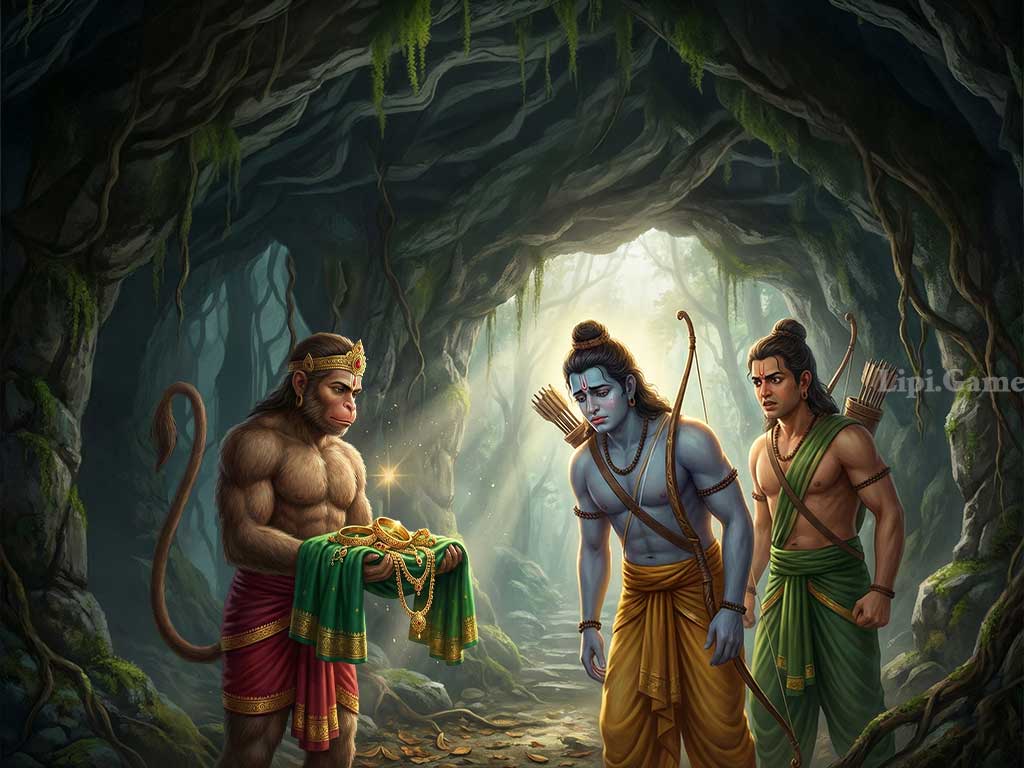
The Kishkindha Kanda in Lipi Epics focuses on friendship, alliances, and the importance of trust. Rama’s meeting with Hanuman becomes one of the most transformative moments of the epic, revealing devotion rooted in wisdom and service. Through Hanuman, Rama befriends Sugriva and promises to help him reclaim his kingdom. The slaying of Vali raises complex moral questions about justice and duty, emphasizing the nuanced nature of dharma. Sugriva is restored as king, but only after Rama reminds him of responsibility and discipline. The Vanara army is organized, and the search for Sita begins across vast lands. This Kanda highlights teamwork, counsel, and cooperation, showing that even divine missions require collective effort.
Key Chapters & Stories
Sundara Kanda
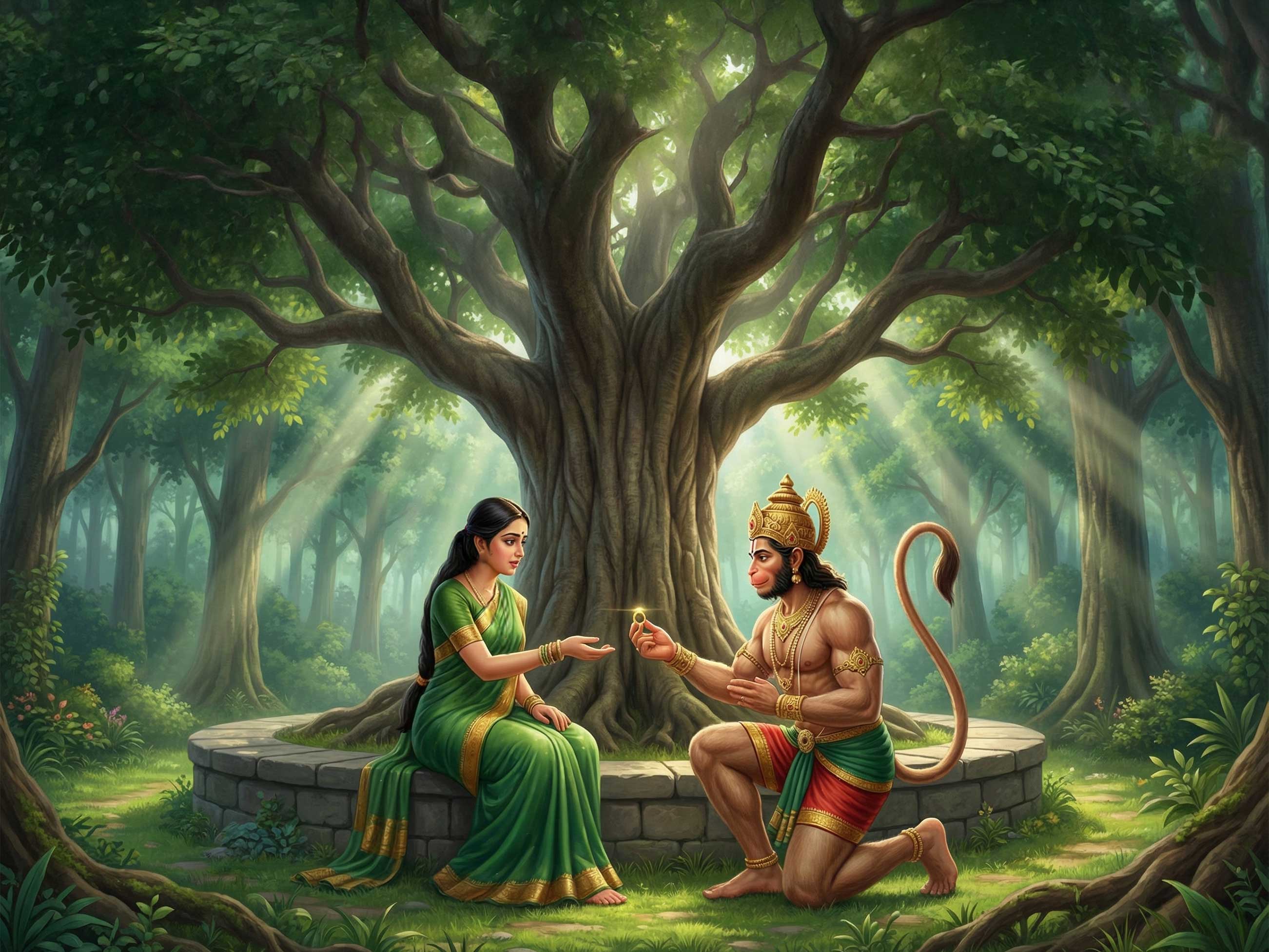
The Sundara Kanda in Lipi Epics is a celebration of devotion, courage, and hope, centered entirely on Hanuman’s journey to Lanka. Crossing the ocean through faith and determination, Hanuman overcomes obstacles using intelligence rather than brute strength. His meeting with Sita restores her hope and reassures her of Rama’s resolve. Hanuman conveys Rama’s message, strengthening Sita’s endurance in captivity. Despite possessing immense power, Hanuman exercises restraint and humility. His burning of Lanka is not an act of vengeance but a warning rooted in dharma. This Kanda radiates optimism and spiritual energy, demonstrating that sincere devotion can overcome the greatest obstacles.
Key Chapters & Stories
Yuddha Kanda
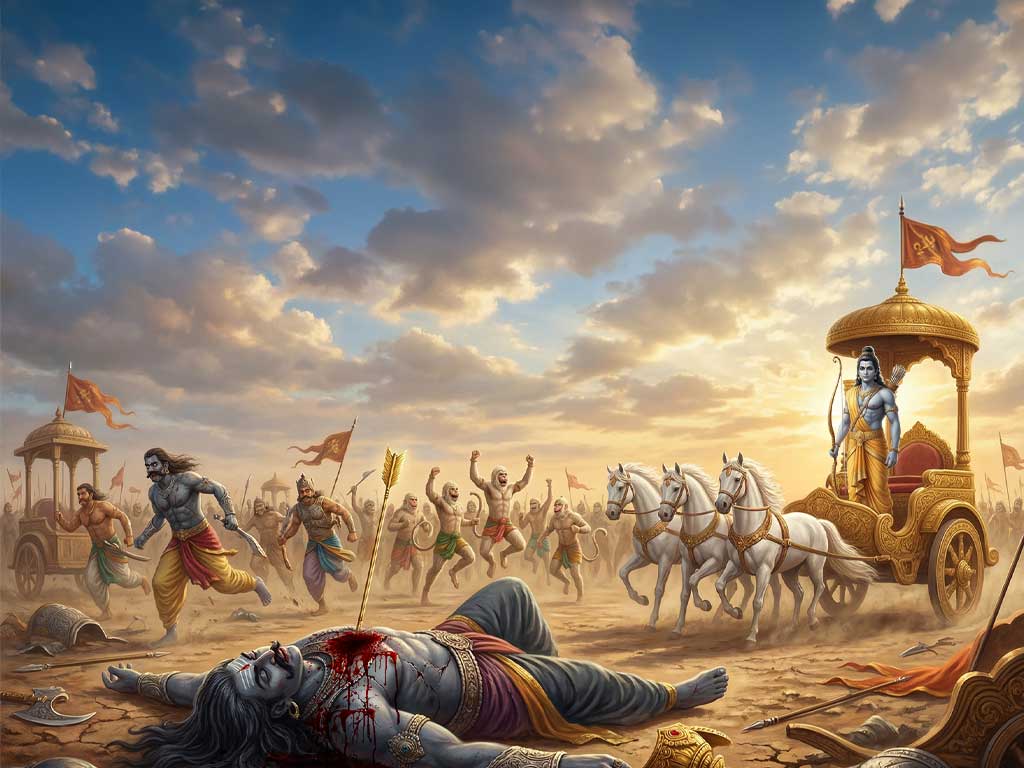
The Yuddha Kanda in Lipi Epics narrates the great war between Rama and Ravana, emphasizing that war is undertaken only after all paths of peace fail. Rama seeks diplomacy before conflict, underscoring ethical leadership. The construction of the bridge to Lanka symbolizes faith, unity, and perseverance. The battlefield becomes a stage for heroism, sacrifice, and tragedy, as mighty warriors fall on both sides. Ravana’s downfall is portrayed not merely as defeat in battle but as the consequence of unchecked ego and attachment. Rama’s leadership balances compassion with justice, restoring cosmic order through righteousness. Sita’s Agni Pariksha affirms her purity and strength, concluding the war as a moral victory rather than mere conquest.
Key Chapters & Stories
Uttara Kanda
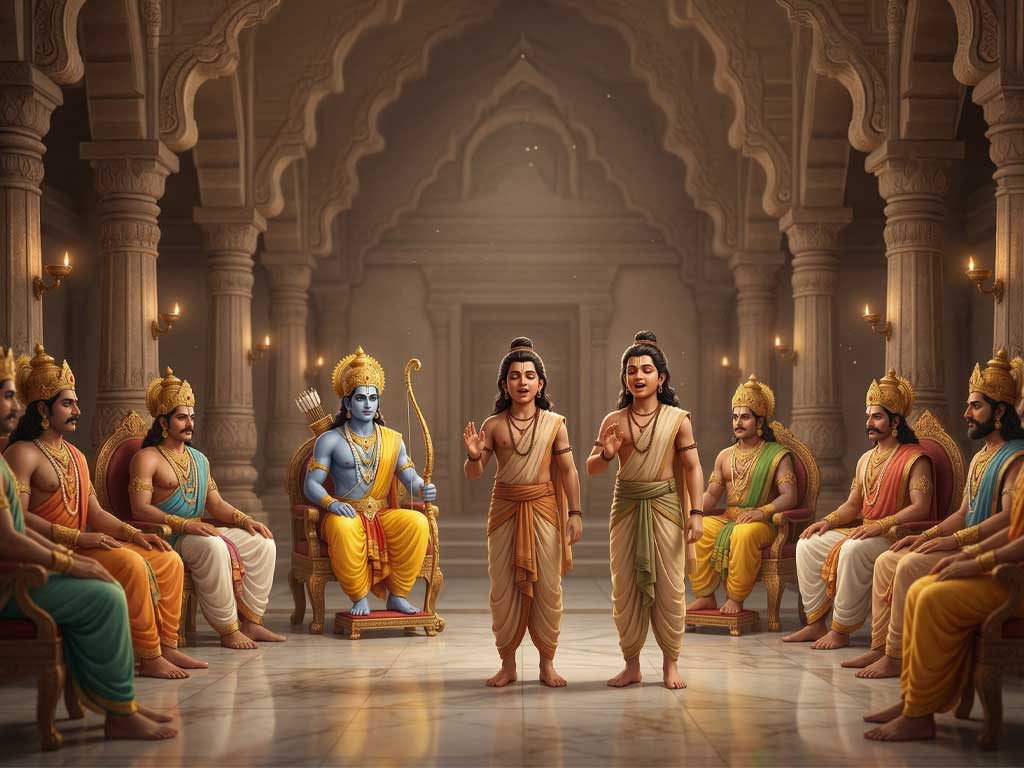
The Uttara Kanda in Lipi Epics reflects on governance, reputation, and the lasting consequences of leadership. Rama’s reign ushers in Rama Rajya, an era of justice and harmony. Yet, public opinion forces difficult decisions, leading to Sita’s exile and exposing the tension between royal duty and personal pain. Lava and Kusha preserve the Ramayana by reciting it, ensuring that truth transcends personal suffering. Sita’s final return to Mother Earth symbolizes transcendence and spiritual closure. Rama’s later life emphasizes detachment and responsibility, reaffirming his divine nature. The epic concludes not with triumph alone, but with reflection, reminding humanity that dharma is eternal and must be upheld across generations.
Key Chapters & Stories
What Makes Lipi Epics App Unique
Learning
AI-powered structured learning
Sources
Authentic epic sources
Multimedia
Audio, video, and visual learning
Quizzes
Interactive quizzes and games
For All Ages
Beginner to advanced modes
Visual Guide
A Visual Guide with Graph Database connecting the characters, stories and events
FAQ
Begin Your Ramayana Journey Today
The Ramayan is not just a story — it is a living guide for dharma, leadership, and life.
Download Lipi Epics NowAvailable on iOS and Android