Learn Mahabharata with Lipi Epics App
Lipi Epics App is an AI-powered educational platform designed to help children, students, and lifelong learners understand the Mahabharata through structured stories, audio, video, visual guides, games, and assessments. Built with authentic sources and modern learning design, Lipi makes the Mahabharata accessible, engaging, and meaningful.
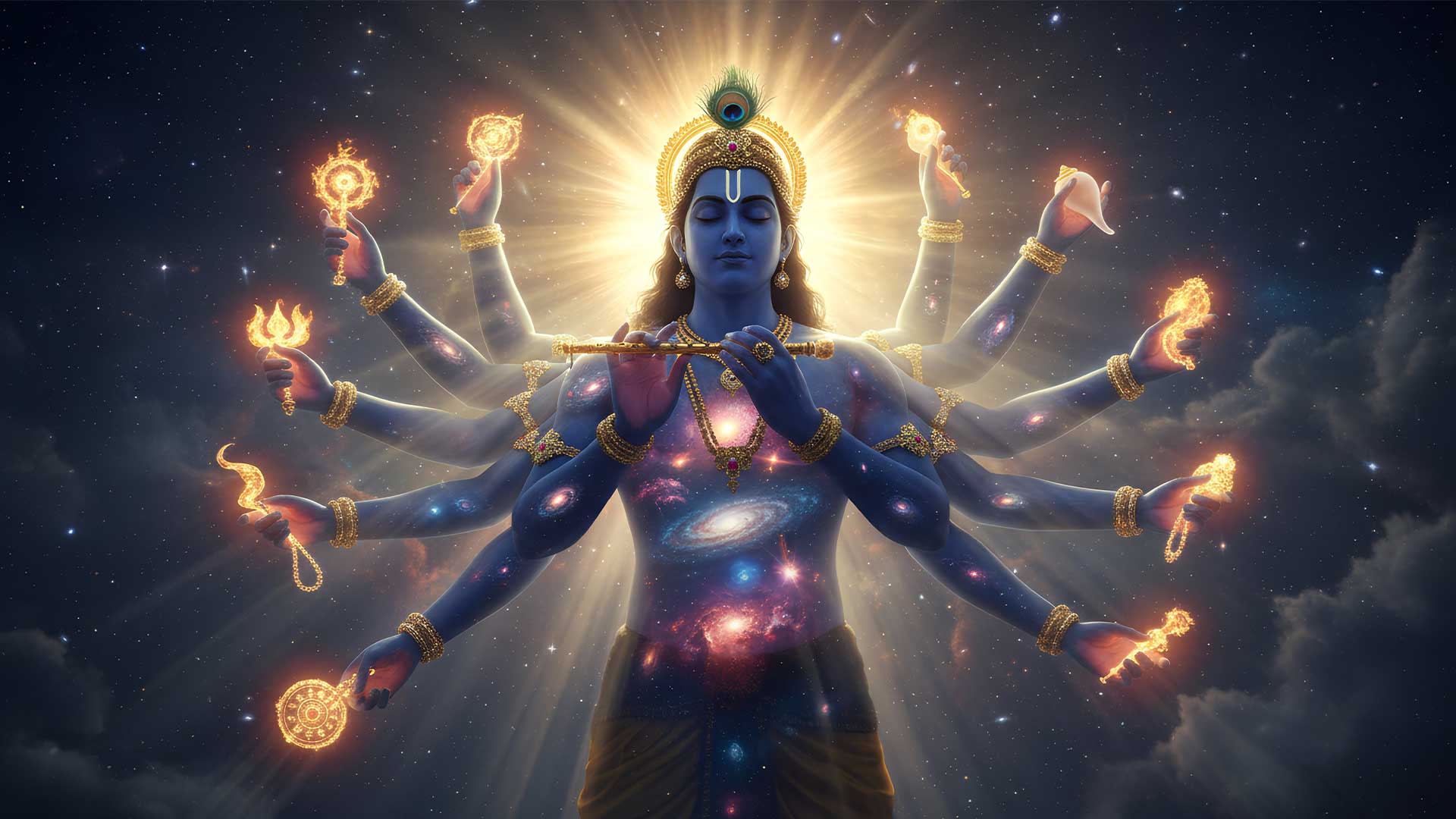
Why Learn the Mahabharata?
The Mahabharata is a timeless guide to life, ethics, leadership, and decision-making. Through its characters and conflicts, it explores dharma, karma, and human choices. Lipi Epics App presents these lessons in a clear, learner-friendly way.
How Lipi Epics App Helps You Learn the Mahabharata
Lipi Epics App breaks the Mahabharata into structured Parvas supported by audio narration, video explainers, visual guides, and comprehension checks. Learners progress from beginner summaries to deeper philosophical understanding.
Step-by-Step Mahabharata Learning Path in Lipi
Learners begin with an overview of the epic, followed by Parva-wise storytelling. Each Parva includes simplified explanations, key takeaways, and optional deep dives, reinforced through interactive quizzes.
The 18 Parvas of the Mahabharata
Who Should Use Lipi Epics App?
Lipi Epics App is suitable for children, students, parents, teachers, professionals, and adults seeking cultural and ethical learning.
Start Your Mahabharata Learning Journey
With Lipi Epics App, the Mahabharata becomes a living guide rather than a distant text. Lipi helps learners of all ages connect deeply with this epic.
Timeless Relevance of the Epics in Modern Life
For thousands of years, Mahabharata and the Ramayana have served as guides for ethical living, leadership, relationships, emotional intelligence, and personal growth. Yet today, many people — especially younger generations — find them difficult to approach due to language barriers, time constraints, and the immense scale of the original texts.
The Mahabharata and the Ramayana are not merely ancient stories; they are living repositories of human wisdom. They explore universal dilemmas such as duty versus desire, integrity versus ambition, compassion versus justice, and truth versus convenience — challenges that remain deeply relevant in modern life.
This article gives a synopsis of these epics as learning journeys for children, students, professionals, families, and lifelong learners.
Learning & Understanding Mahabharata
The Mahabharata presents complex models of leadership and ethics, illustrating how greed, ego, and manipulation may bring short-term success but ultimately lead to long-term suffering. It emphasizes resilience, adaptability, consultation, and principled leadership as foundations for sustainable success.
Mahabharata repeatedly emphasizes adaptability in the face of upheaval and the importance of consultation and counsel in decision-making. These teachings speak to all age groups. Children learn foundational virtues, young people discover guidance for identity and stress, adults apply epic frameworks to leadership and relationships, and seniors rediscover meaning around legacy, reflection, and detachment.
The story of Mahabharata is told in 18 Parvas (Chapters) by Maharshi Veda Vyasa. All 18 Parvas need to be studied and understood for a complete understanding and essence of the epic. A suggested learning path along with brief overview of each Parva and deep links to understand the relevant stories within the Parva are given below.
Learning Path in Lipi Epics
- For detailed audio, video, textual stories giving intricate details of each Parva along with a Visual Guide, click on the link below to access them in Lipi Epics App. Download Lipi Epics App
- Click on ‘Mahabharat Learn’ and start with Beginner mode. You can use Intermediate and Advanced modes later.
- Review the Overview video of the parva for a video synopsis.
- There will be multiple stories listed in each of the 18 Parvas. Start with the first Parva. You can listen to these stories without interruption continuously. You may want to pause after each story and take the comprehension test for a better understanding.
- Each story will introduce new characters or relationships. Access the ‘Visual Guide’in the App to understand the finer detail of that character and events surrounding them.
- Once you read/listen to all the above stories and complete the comprehension tests for all, you will receive a ‘Parva Completion Certificate.’ Then you can move on to the next Parva.
- Mahabharat is a complex epic with thousands of characters and events. You may sometimes find it confusing. For better retention and clarity, intersperse your learning mode with some games by using the ‘Play’ option in the App Home page. You can play the simple Match game or a more complex Connect game to test your skills.
- Once you complete all 18 Parvas, you can use the ‘Intermediate’ mode to learn the stories in more intricate detail.
- Advance mode for each Parva is a great way to test your Mahabharat knowledge. Here each Parva is presented with a series of questions that you need to answer. Explanations are then given for each question along with contextual links to Visual Guide.
- Share your journey of learning and understanding Mahabharat with friends and family. You can gift the Lipi Coins you earned while learning Mahabharat with your groups and encourage them to learn.
Detailed Learning Path
Jump to Parva

Adi Parva
Adi Parva in Lipi Epics lays the foundation of the Mahabharata by narrating the origin of the Bharata dynasty and the cosmic background of the epic. It traces the lineage from ancient kings to Shantanu, Bhishma, and the birth of Dhritarashtra, Pandu, and Vidura. The childhood of the Pandavas and Kauravas is described, revealing early jealousy and rivalry. Their education under Drona, Karna’s arrival, and the growing tension are detailed. The conspiracy of the Lac House is plotted, but the Pandavas escape death. Bhima’s marriage to Hidimbi and the birth of Ghatotkacha occur. The Parva ends with the Pandavas living in disguise, setting the stage for future conflict.
Key Chapters & Stories

Sabha Parva
Sabhā Parva in Lipi Epics centers on power, pride, and downfall. After the Pandavas establish Indraprastha, Yudhishthira performs the Rajasuya Yaga, asserting imperial authority. Krishna receives the highest honor, provoking Shishupala, who is slain. Duryodhana’s humiliation in the magical palace fuels envy and hatred. Shakuni orchestrates the game of dice, exploiting Yudhishthira’s weakness. The Pandavas lose their kingdom, wealth, and freedom. Draupadi is dragged into the assembly and humiliated, but divine grace saves her. This Parva ends with the Pandavas being exiled, marking a moral collapse of the Kaurava court.
Key Chapters & Stories
Vana (Araṇyaka) Parva
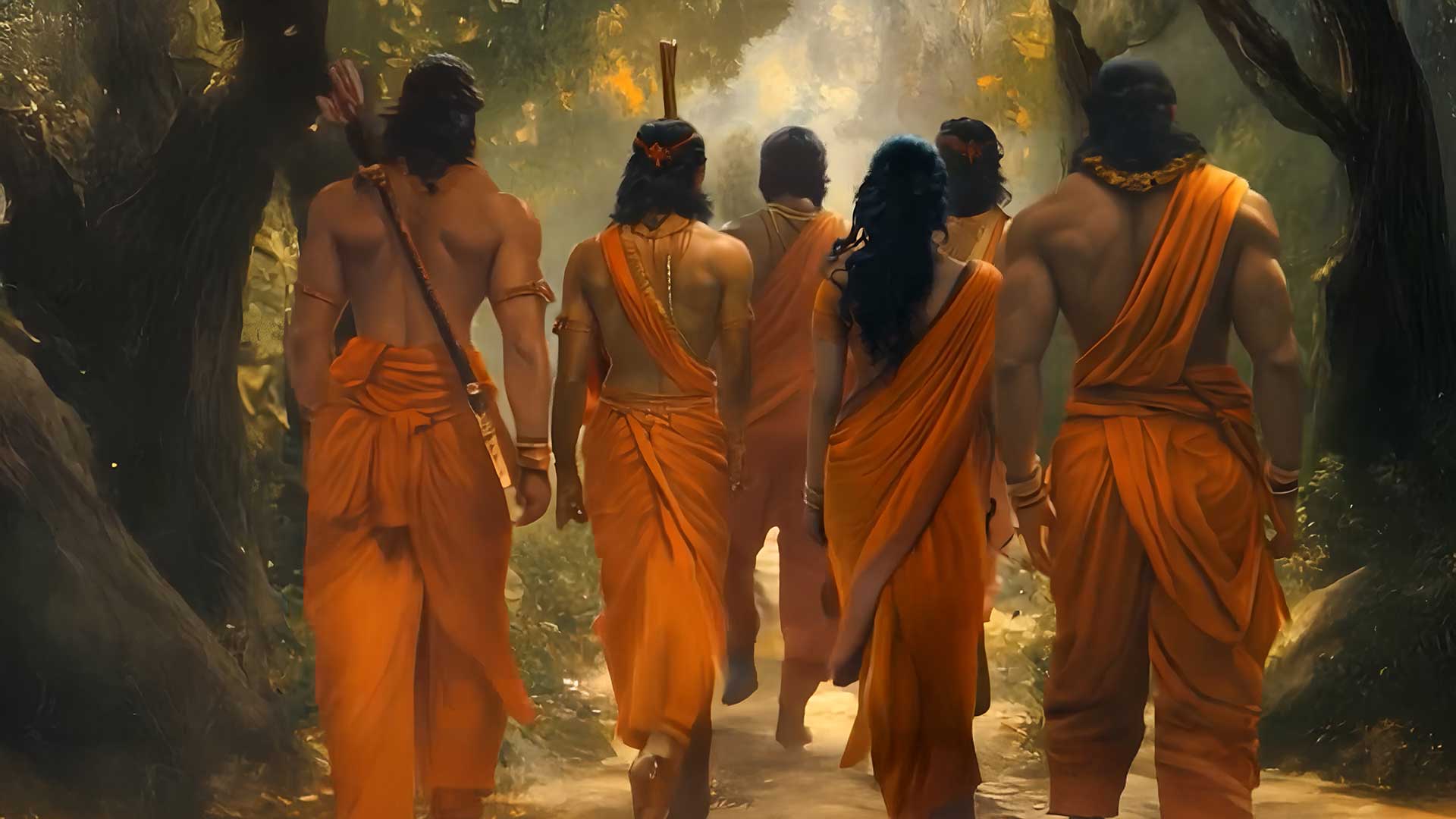
In the forest exile, the Pandavas endure suffering, reflection, and spiritual growth. Draupadi questions the meaning of dharma as sages narrate ancient tales of virtue and endurance. The Aranya Parva in Lipi Epics contains many philosophical stories illustrating karma and fate. Arjuna performs severe penance in the Himalayas and earns divine weapons from Shiva and Indra. Bhima meets Hanuman and learns humility. Jayadratha’s insult to Draupadi leads to his humiliation by the Pandavas. This Parva balances pain with preparation, showing how exile becomes a period of inner strengthening.
Key Chapters & Stories
Viraṭa Parva
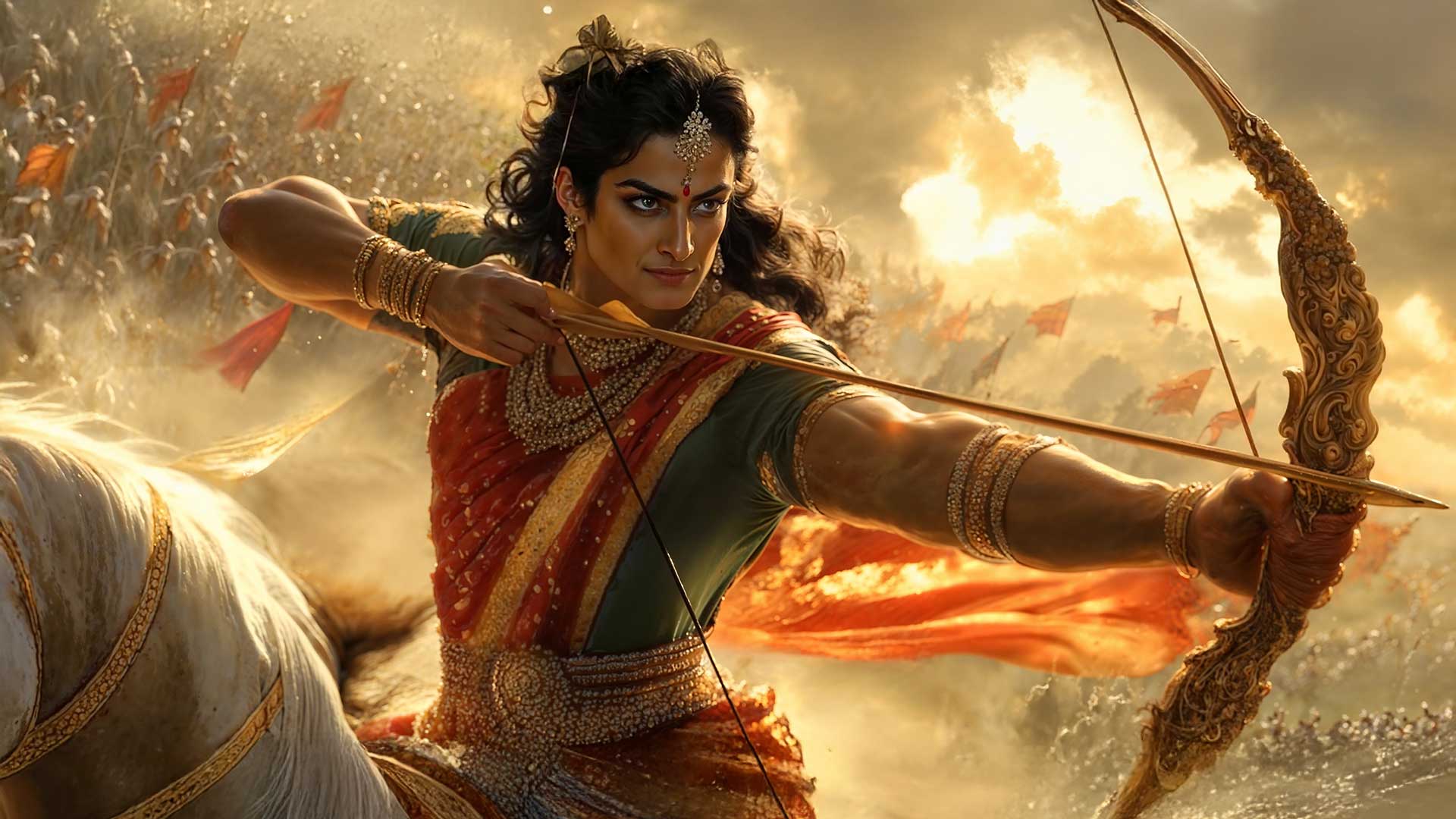
Viraṭa Parva in Lipi Epics narrates the final year of exile, lived incognito in King Virata’s court. Each Pandava assumes a disguised role, while Draupadi serves as Sairandhri. Kichaka’s harassment of Draupadi and his eventual death by Bhima reveal restrained fury. When the Kauravas attack Virata, Arjuna reveals himself as Brihannala and single-handedly defeats them. The disguises end, alliances are formed through marriages, and the Pandavas emerge openly. The Parva concludes with the return of confidence and readiness for war.
Key Chapters & Stories

Udyoga Parva
Udyoga Parva in Lipi Epics is the Parva of diplomacy and failed peace. Both sides prepare for war, seeking allies across kingdoms. Krishna undertakes a peace mission to Hastinapura, offering compromise, but Duryodhana rejects it arrogantly. Karna chooses loyalty to Duryodhana despite knowing his true birth. Bhishma, Drona, and Shalya take command roles. Ominous signs foretell destruction. The Parva ends with war becoming inevitable due to pride and refusal to uphold dharma.
Key Chapters & Stories
Bhiṣma Parva
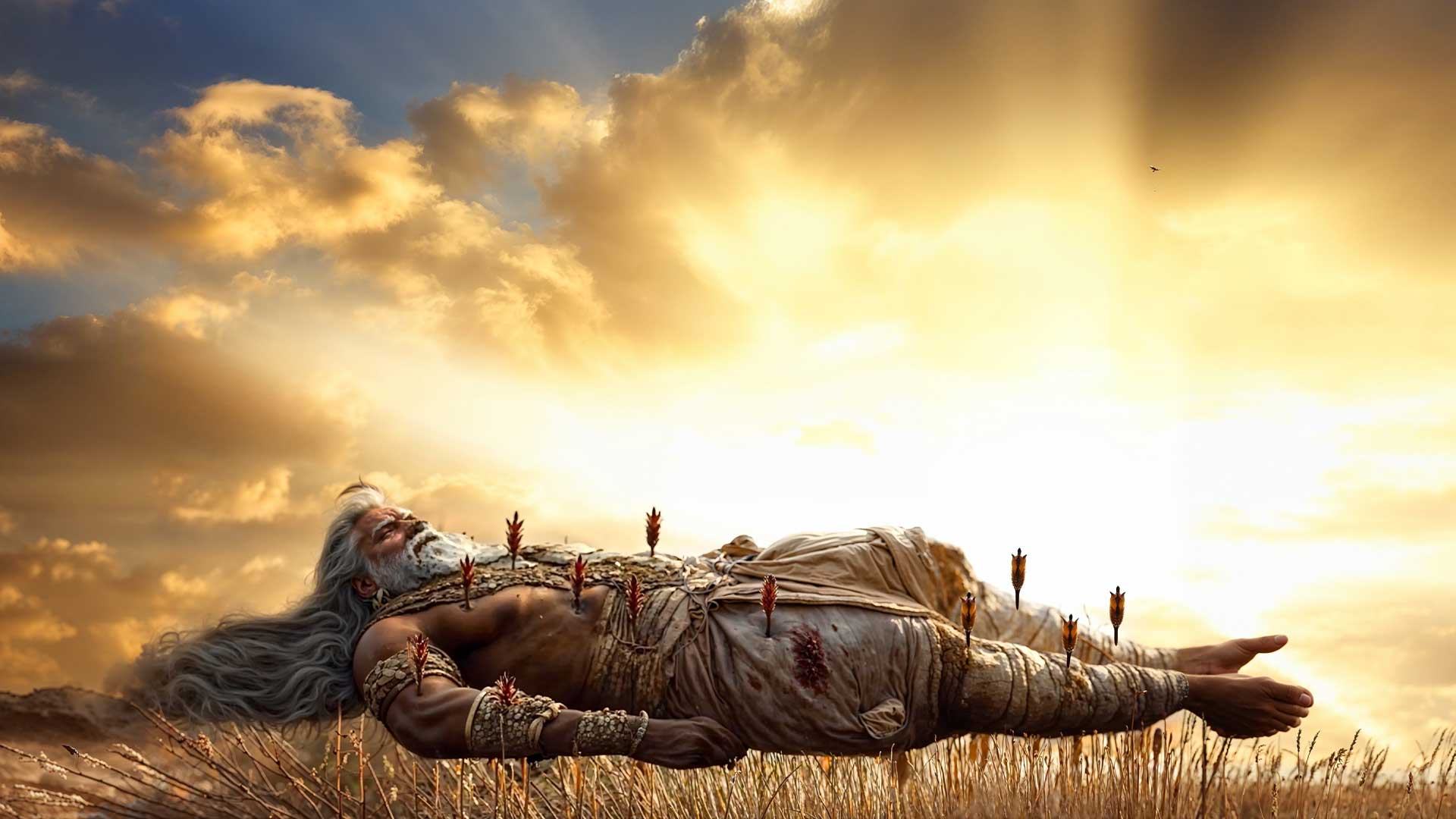
Bhiṣma Parva in Lipi Epics opens the Kurukshetra war. Overwhelmed by the sight of relatives, Arjuna loses resolve. Krishna delivers the Bhagavad Gita, teaching duty, detachment, and devotion. Bhishma leads the Kaurava army with unmatched might, causing immense devastation. The Pandavas struggle until Shikhandi is placed before Arjuna. Bhishma falls upon a bed of arrows, choosing the moment of his death. This Parva blends battlefield fury with the highest spiritual philosophy.
Key Chapters & Stories
Droṇa Parva
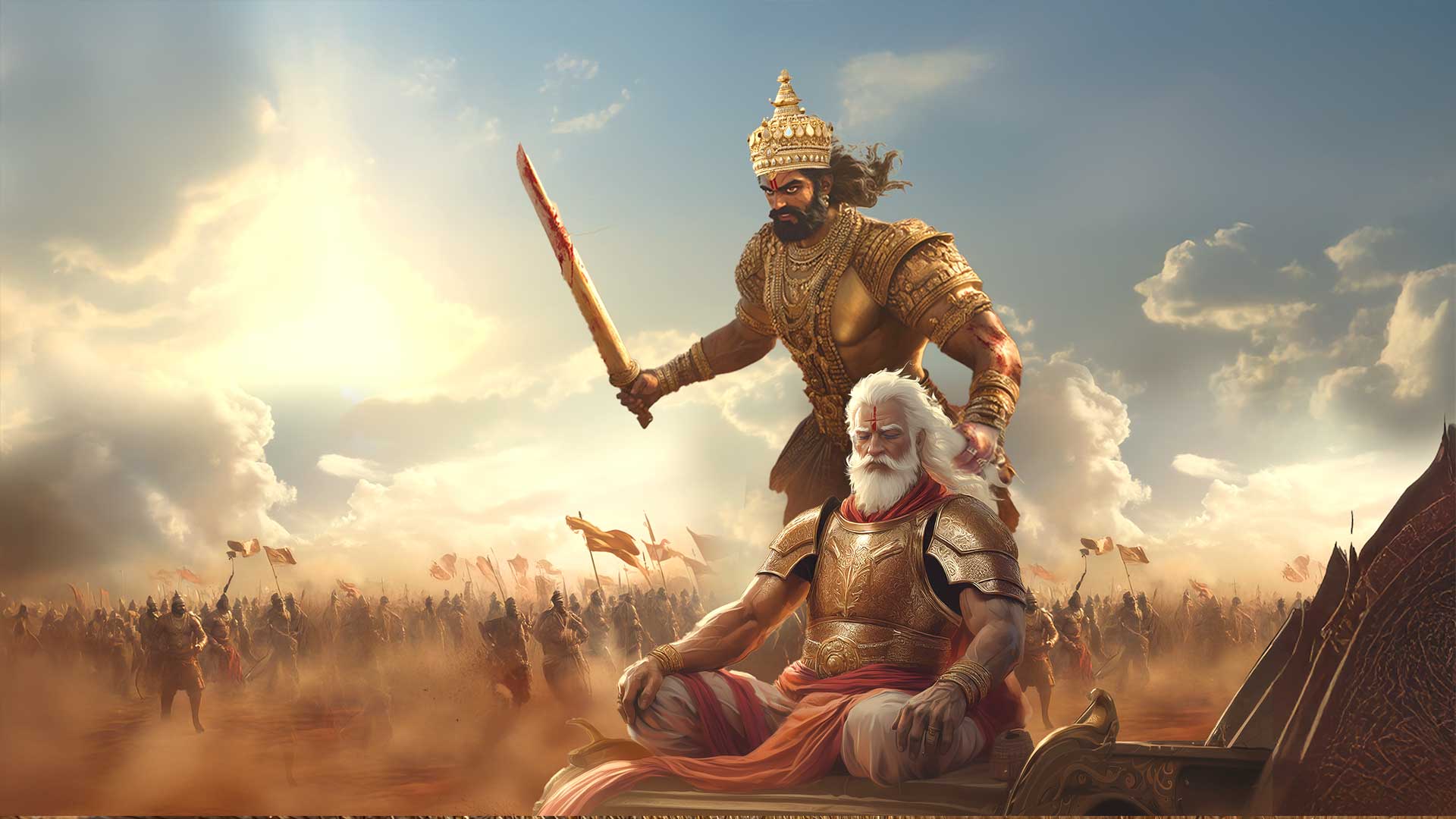
Droṇa Parva in Lipi Epics focuses on tragic brilliance and moral decline. Drona becomes commander and forms the deadly Chakravyuha. Young Abhimanyu enters it heroically but is killed unfairly by many warriors. Arjuna’s vow to kill Jayadratha is fulfilled through Krishna’s strategy. Deceived into believing his son is dead, Drona lays down arms and is slain. This Parva highlights how war erodes ethics and turns teachers into victims of deception.
Key Chapters & Stories
Karṇa Parva
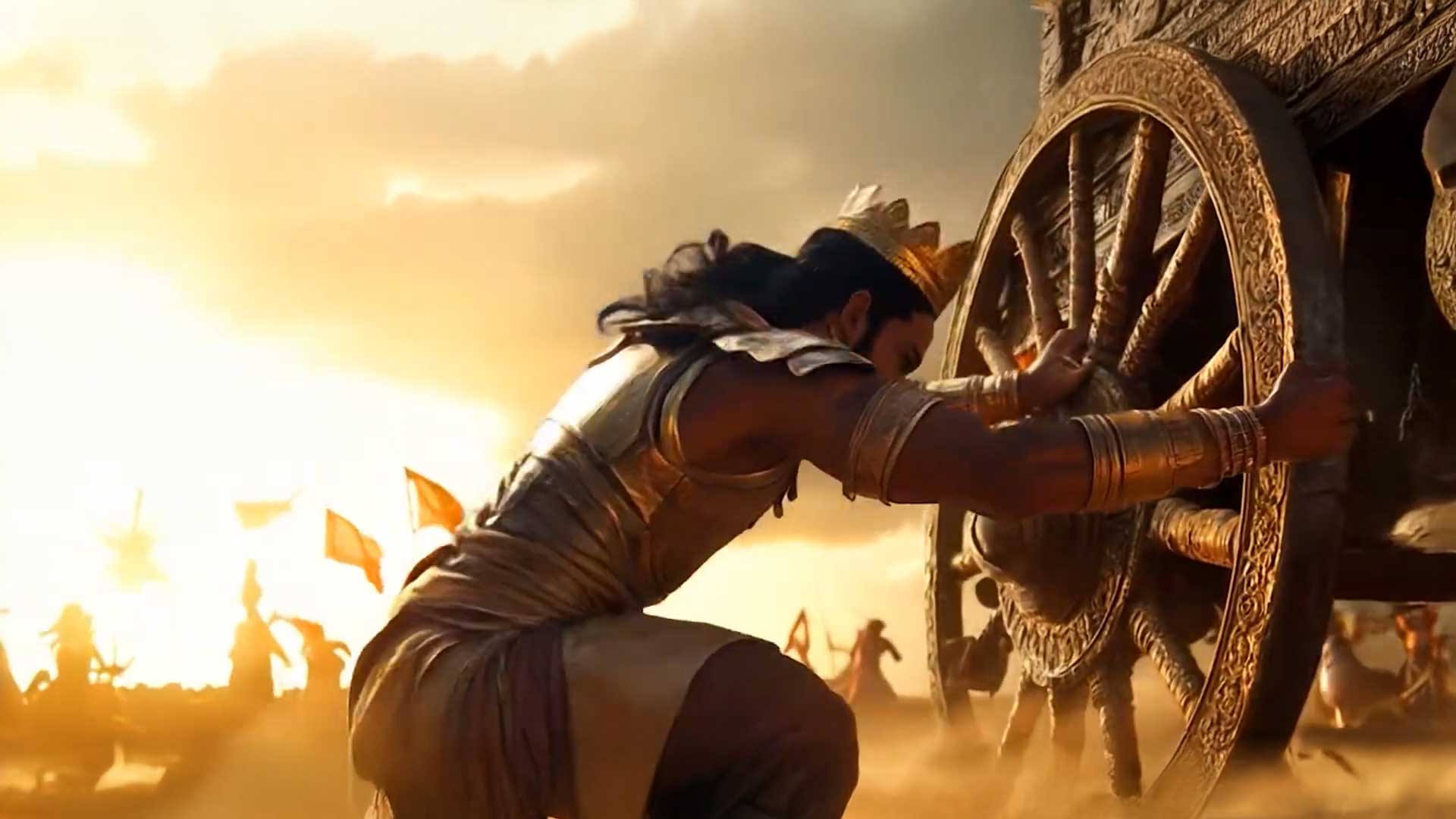
Karna Parva in Lipi Epics portrays Karna’s final rise and fall. As commander, Karna displays immense valor and generosity but is bound by past curses. His chariot wheel sinks into the earth at a critical moment. Remembering his loyalty to Duryodhana, Karna fights on despite fate turning against him. Krishna urges Arjuna to strike, and Karna is killed. The Parva evokes deep pathos, showing the tragedy of a noble hero trapped by destiny.
Key Chapters & Stories
Salya Parva
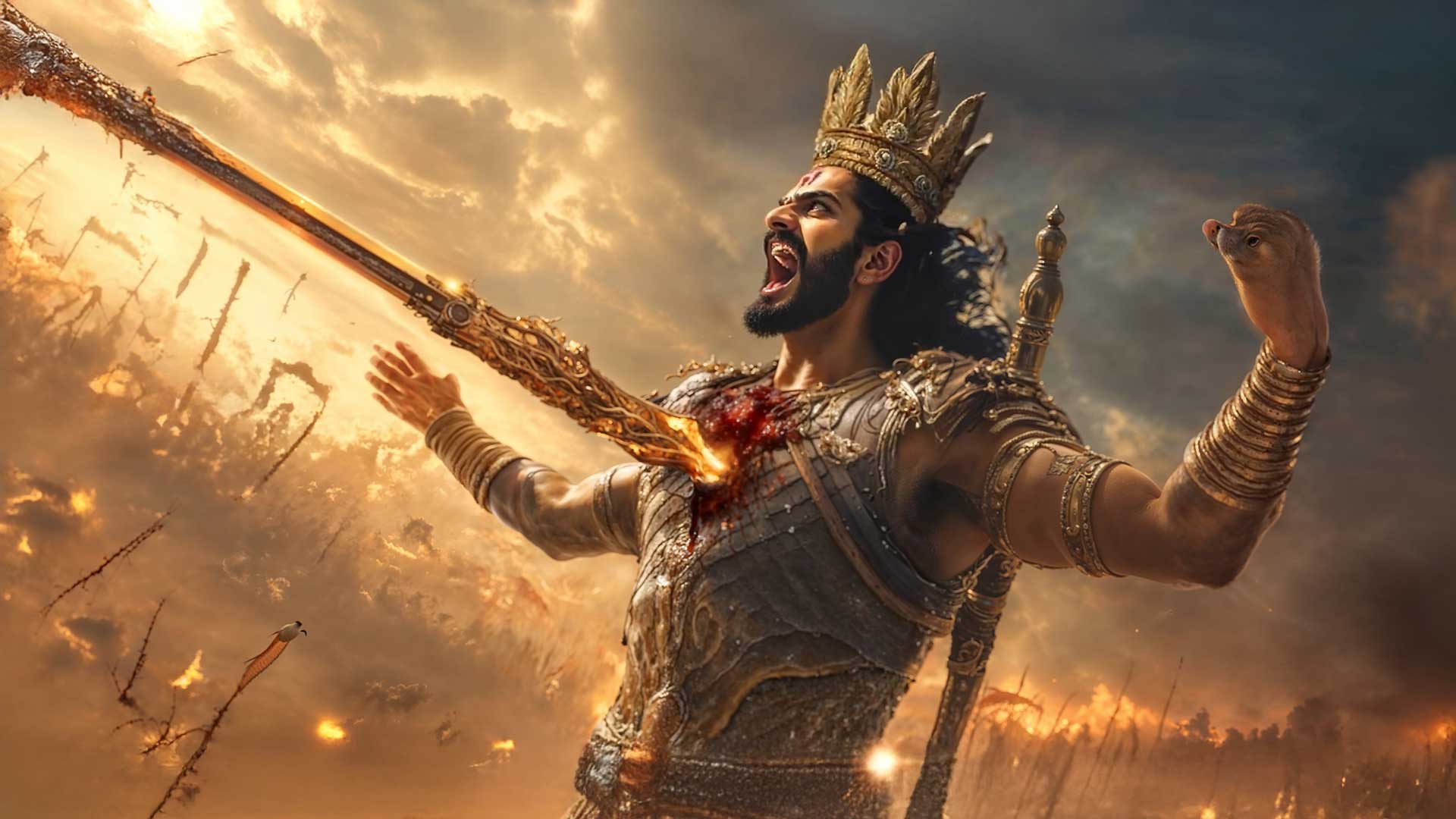
Śalya Parva in Lipi Epics narrates the war’s grim conclusion. Shalya leads the Kaurava army but offers little resistance. Bhima slaughters Duryodhana’s remaining brothers. The mace duel between Bhima and Duryodhana breaks the rules when Bhima strikes the thigh. Duryodhana falls, defeated and humiliated. With this, the great war effectively ends, leaving only sorrow and ashes.
Key Chapters & Stories
Sauptika Parva
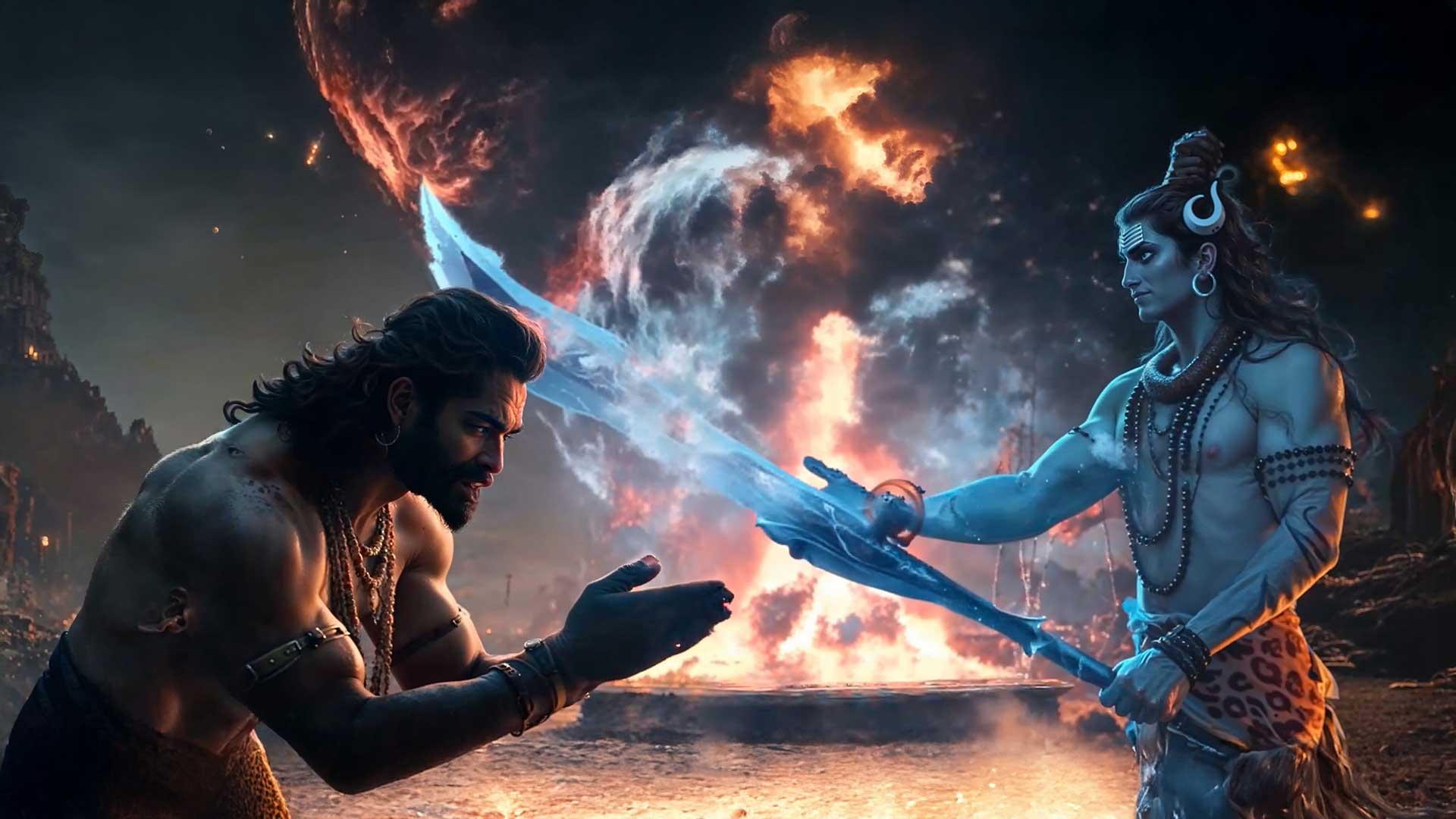
Sauptika Parva in Lipi Epics depicts the horrors of vengeance. Ashwatthama, driven by rage, attacks the sleeping Pandava camp at night. Drishtadyumna and the sons of the Pandavas are brutally slain. Ashwatthama releases a devastating weapon but is stopped by Krishna. He is cursed to wander in misery, and his jewel is taken. This Parva condemns cowardly violence and uncontrolled revenge.
Key Chapters & Stories
Stri Parva
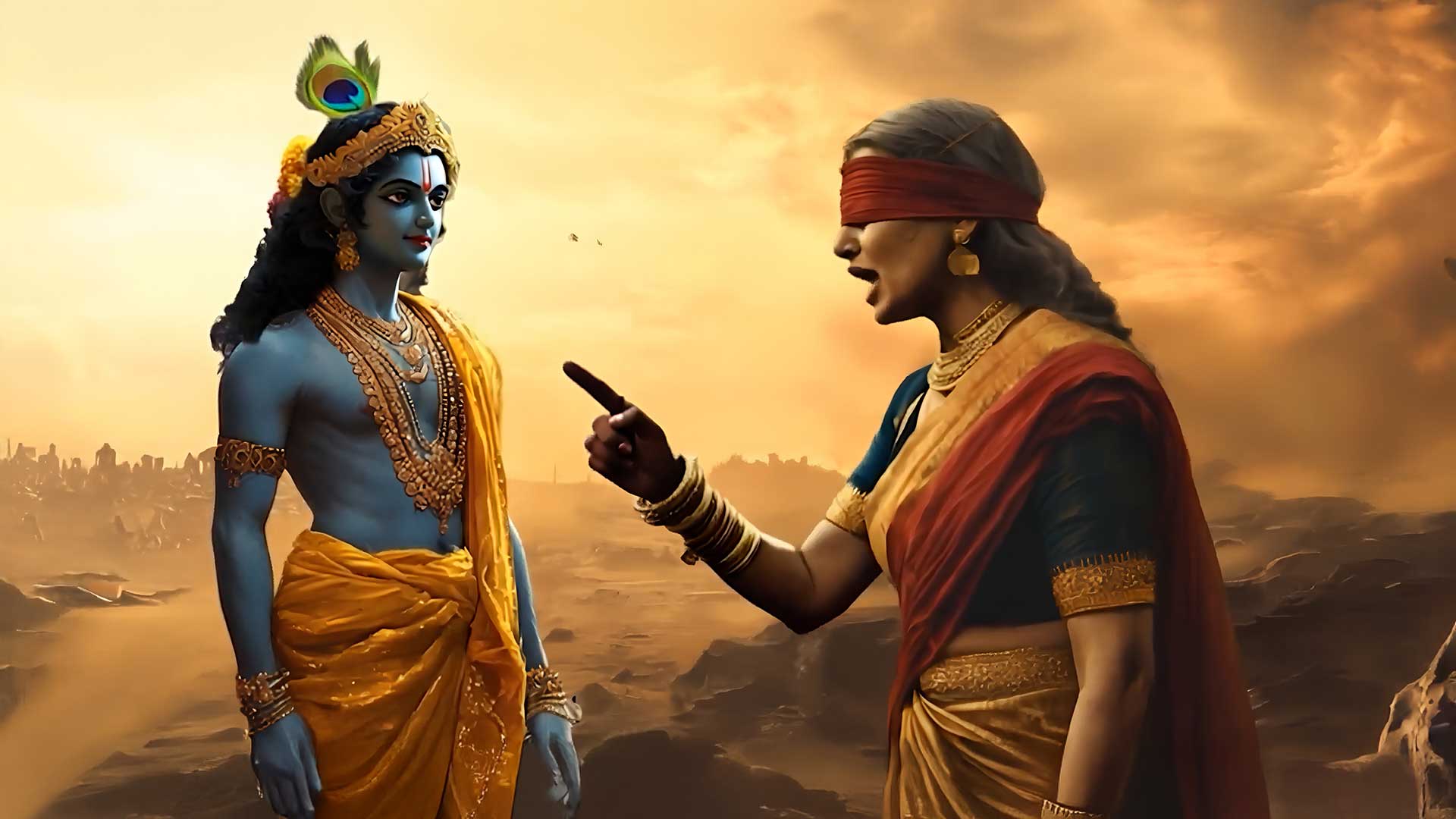
Stri Parva in Lipi Epics is filled with grief and lamentation. Women from both sides wander the battlefield, mourning husbands and sons. Gandhari curses Krishna, foreseeing the destruction of his lineage. The Parva powerfully portrays the human cost of war, focusing on sorrow rather than victory. It reminds readers that triumph achieved through bloodshed leaves lasting wounds.
Key Chapters & Stories
Shanti Parva
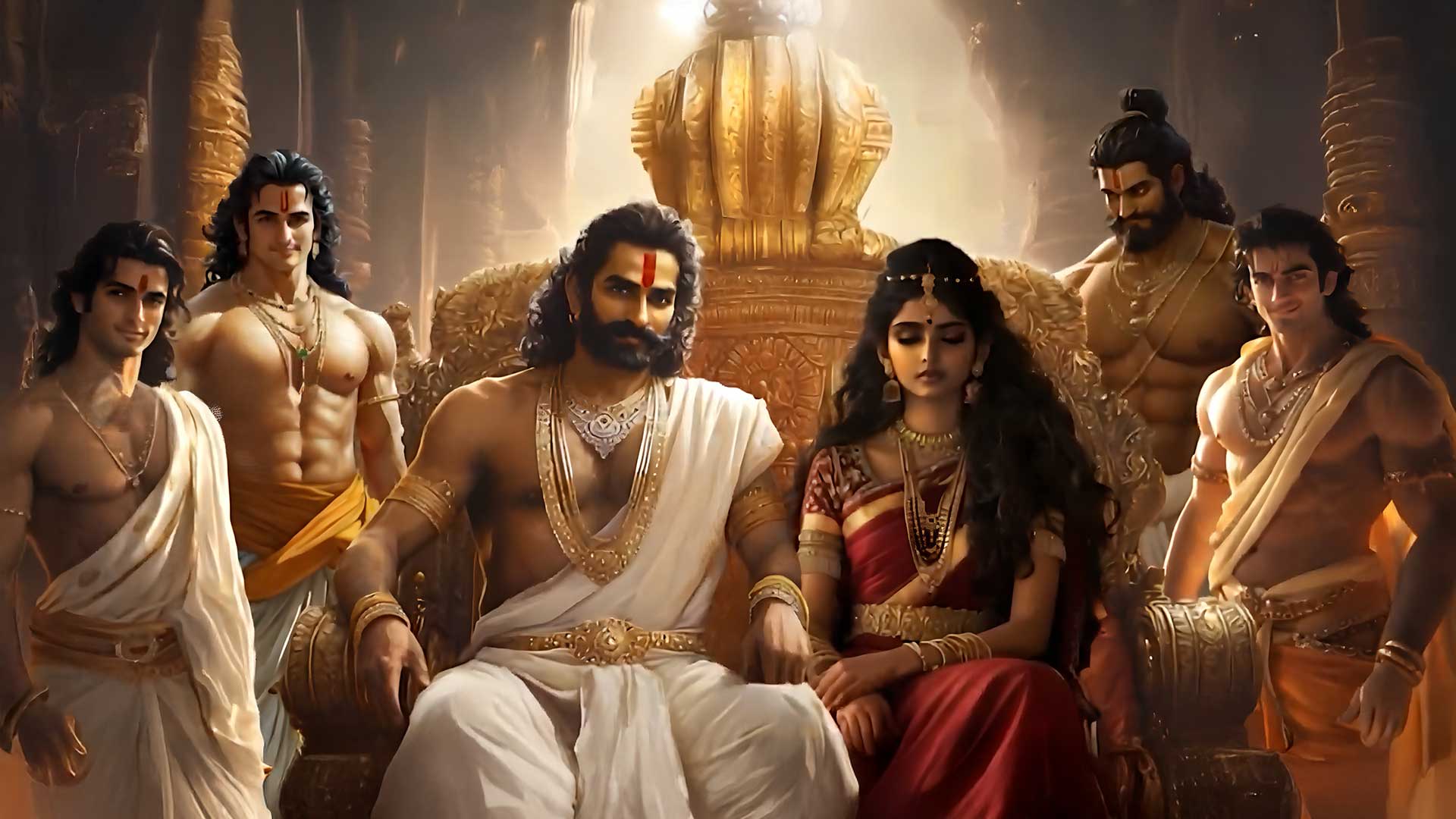
Santi Parva in Lipi Epics begins with Yudhishthira overwhelmed by guilt. Bhishma, lying on his arrow bed, instructs him on kingship, justice, governance, and ethics. The Parva explains rājadharma and āpaddharma in great detail. It emphasizes compassion, restraint, and responsibility of rulers. This Parva transforms the battlefield into a classroom of wisdom.
Key Chapters & Stories
Anusasana Parva
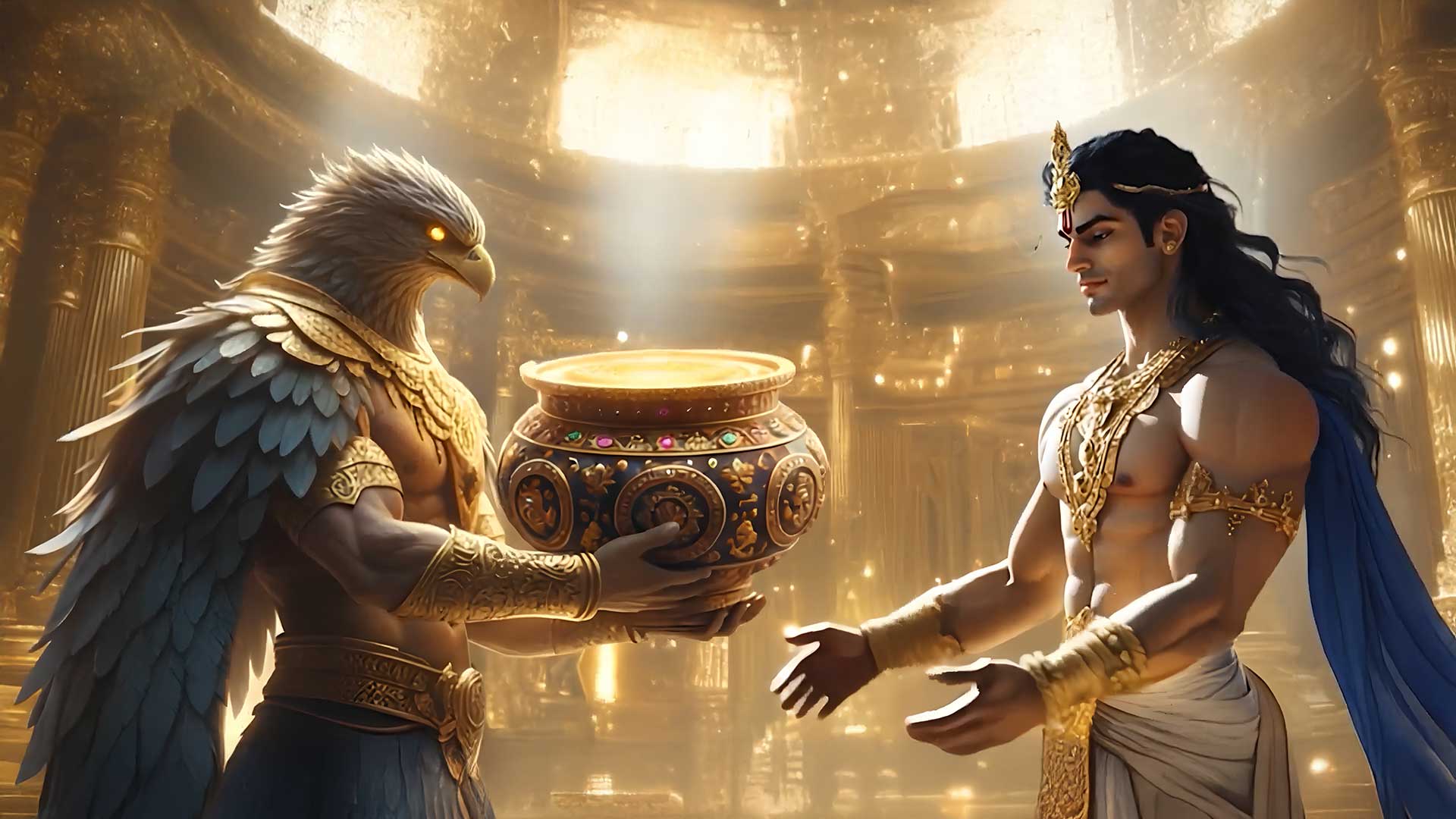
Anusasana Parva in Lipi Epics continues Bhishma’s teachings, focusing on charity, social duties, and moral conduct. The power of gifts, compassion toward all beings, and the role of women are explained. The Parva stresses inner purity over ritual. Bhishma’s discourse provides a moral blueprint for society beyond kingship.
Key Chapters & Stories
Asvamedhika Parva
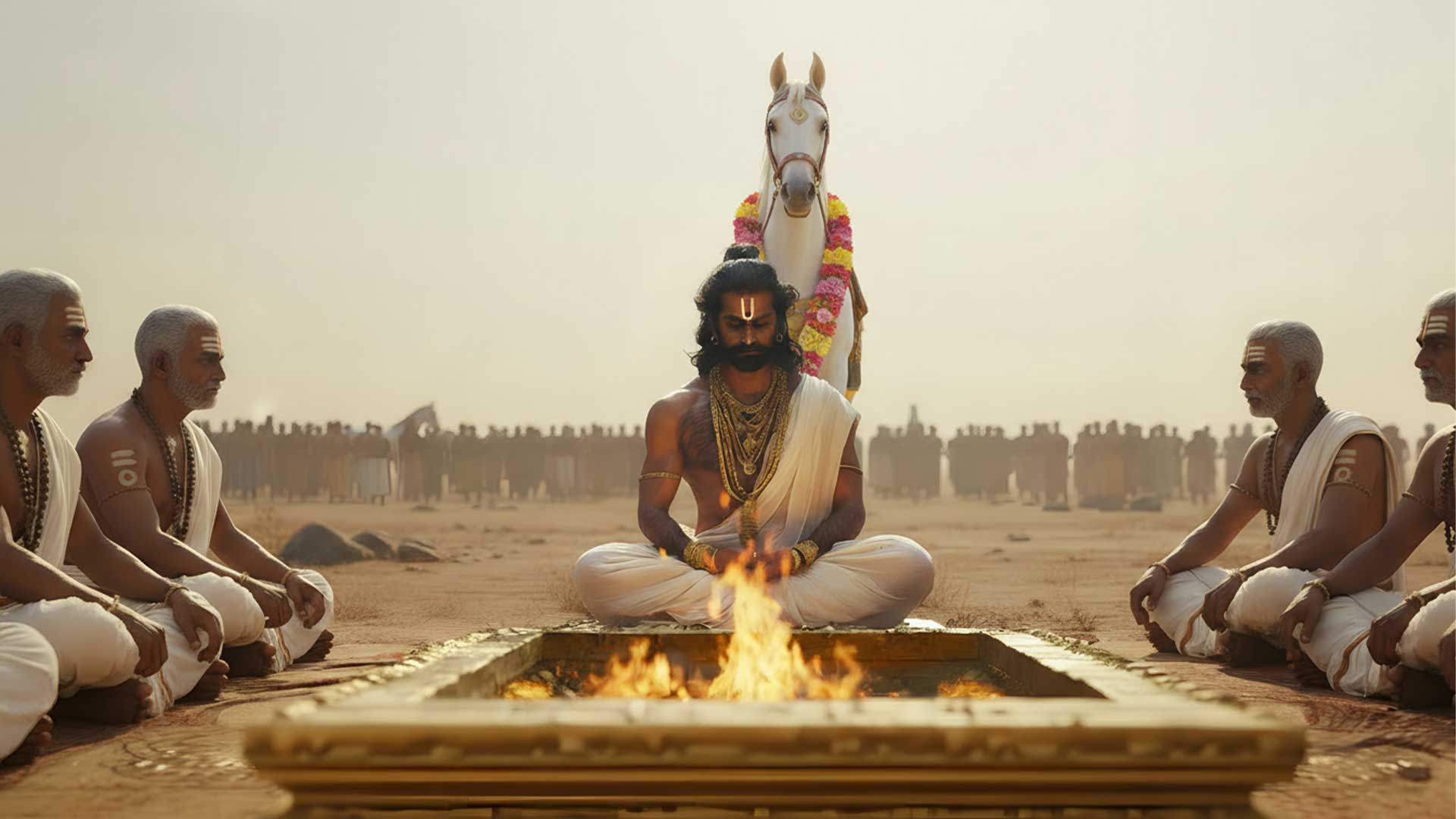
Asvamedhika Parva in Lipi Epics narrates Yudhishthira’s Ashvamedha Yaga to restore royal authority. Arjuna follows the sacrificial horse, facing many challenges. The story of Arjuna’s son Babruvahana killing and reviving him is told. Krishna ensures the ritual’s completion. This Parva symbolizes renewal after destruction.
Key Chapters & Stories

Asramavasika Parva
In Lipi Epics Asramavasika Parva, Dhritarashtra, Gandhari, and Kunti renounce royal life and retire to the forest. A wildfire consumes them, granting liberation. The Pandavas mourn but accept the impermanence of life. The Parva reflects detachment and the final withdrawal from worldly roles.
Key Chapters & Stories
Mausala Parva
Mausala Parva in Lipi Epics describes the self-destruction of the Yadava clan due to a curse. Drunken conflict leads to their annihilation. Krishna accepts the end calmly and departs from the world. This Parva shows that even divine dynasties are subject to time and destiny.
Key Chapters & Stories

Mahaprasthanika Parva
Mahaprasthanika Parva in Lipi Epics narrates the Pandavas’ final journey toward the Himalayas. One by one, Draupadi and the brothers fall, each due to a human flaw. Yudhishthira alone continues, accompanied by a dog. The Parva teaches that liberation demands absolute righteousness.
Key Chapters & Stories
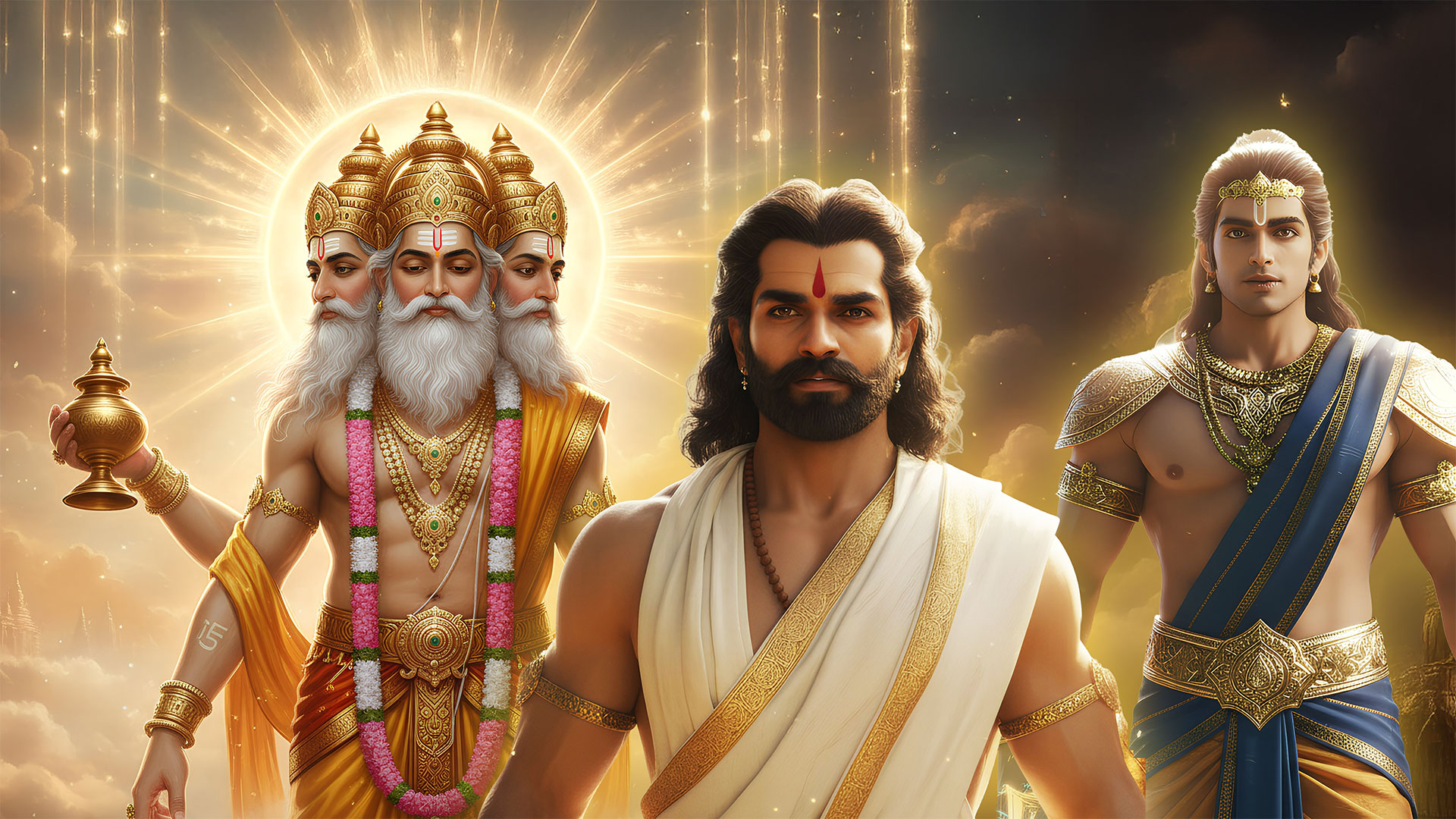
Svargarohaṇa Parva
Svargarohaṇa Parva in Lipi Epics concludes the epic with transcendence. Yudhishthira refuses heaven without the dog, who reveals himself as Dharma. After briefly witnessing hell, Yudhishthira attains true heaven where all souls are reconciled. The Parva affirms that dharma, compassion, and truth ultimately triumph.
Key Chapters & Stories
What Makes Lipi Epics App Unique
Learning
AI-powered structured learning
Sources
Authentic epic sources
Multimedia
Audio, video, and visual learning
Quizzes
Interactive quizzes and games
For All Ages
Beginner to advanced modes
Visual Guide
A Visual Guide with Graph Database connecting the characters, stories and events
Frequently Asked Questions
Begin Your Mahabharata Journey Today
The greatest epic of all time — now made accessible, engaging and meaningful for every generation
Download Lipi Epics NowAvailable on iOS and Android